Consent

This site uses third party services that need your consent. Learn more

Skip to content
EX
VAT
INC
VAT
Shop now
Login

Building a new space or upgrading your entire floor structure?

In-Screed Electric Underfloor Heating Systems

What is in-screed electric underfloor heating?

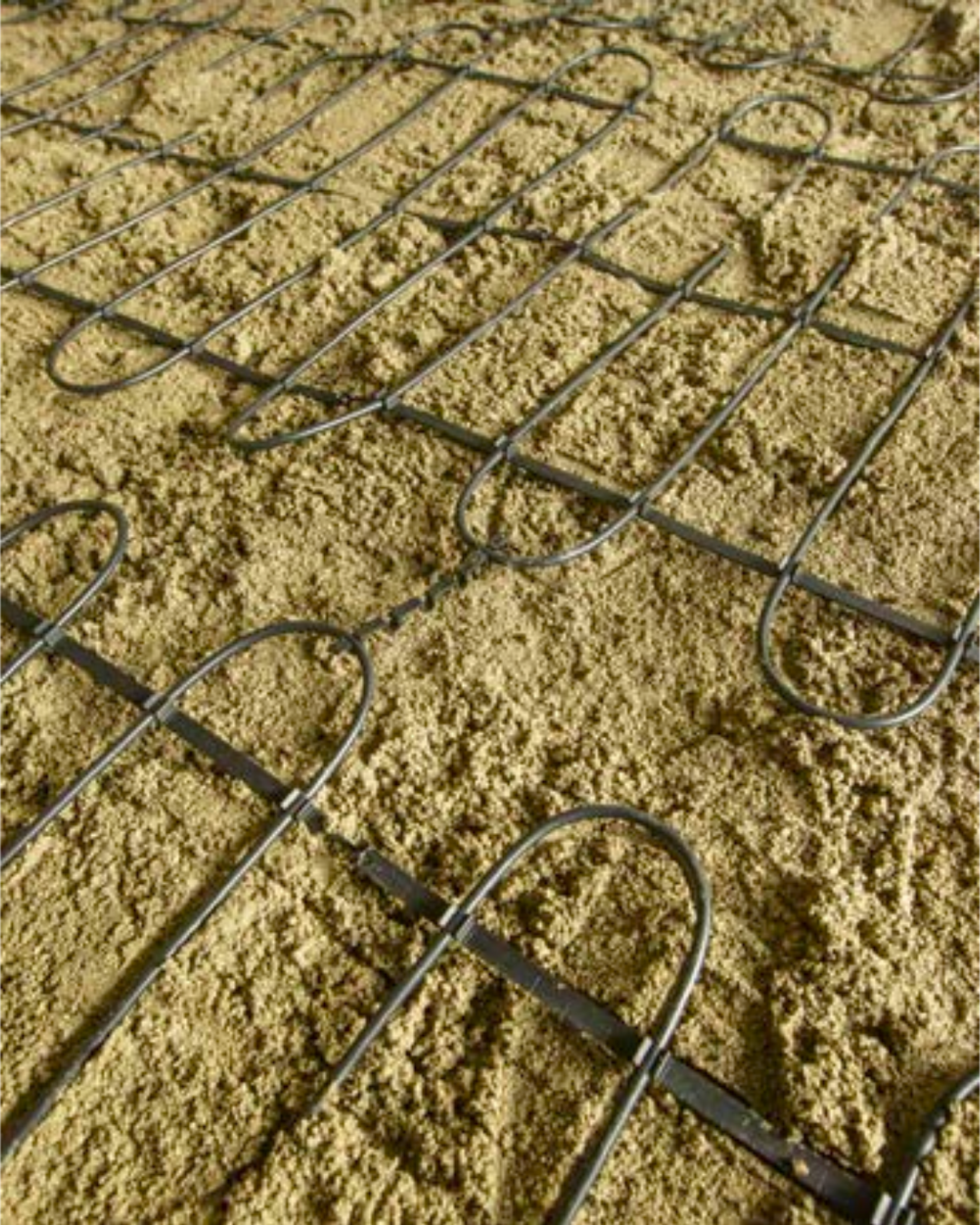
In-screed electric underfloor heating provides a durable, high-performance heating solution ideal for new builds, extensions and full refurbishments. Using robust heating cables embedded within the screed layer, the system creates a gentle, stable heat that holds temperature exceptionally well.

ARC Thermal supplies ETHERMA in-screed cable systems, engineered with PFAS-free conductors and designed to last decades. With outputs from 80–150 W/m², these systems deliver predictable thermal comfort while offering complete compatibility with modern smart controls.
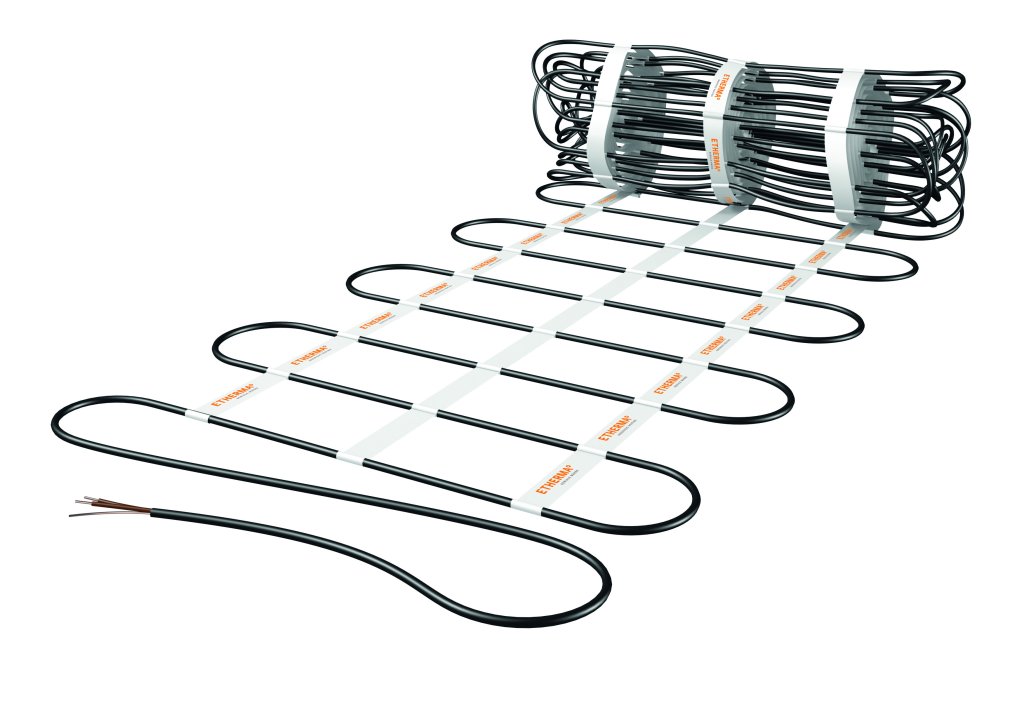
THE SYSTEM: IN-SCREED HEATING CABLES

These cables are designed to be fully embedded within a screed layer, providing long-lasting, maintenance-free performance.

Once installed, this system forms a permanent, discreet heating layer beneath the floor.

Key Technical Features:


Outputs: 80–150 W/m²

Ideal for large rooms and new floor structures

Stable, slow-release heat from thermal mass

Fully protected within the screed: zero wear over time

PFAS-free heating conductor

Suitable for concrete and insulation-based floor buildups

Works with all ARC smart thermostats

When to choose in-screed electric underfloor heating

This system is ideal when:

You are pouring a new screed floor

In-screed UFH integrates seamlessly with new construction.

You want long-lasting heating that holds temperature

Thermal mass provides consistent, gentle warmth.

You are designing large open spaces

Living rooms, open-plan kitchens, extensions, conservatories.

You want minimal maintenance

Once installed, the system requires no servicing.

You want more design freedom

No radiators → more usable wall space.

WATTAGE GUIDANCE (W/m²)

Application Output Reason
New builds with strong insulation 80–100 W/m² Efficient background heating
Extensions, refurbishments 100–130 W/m² Balanced, reliable heating
Colder rooms, large areas 130–150 W/m² Stronger heat load for large spaces

ARC will calculate the required wattage per room.

ELECTRIC IN-SCREED VS WET UNDERFLOOR HEATING

Wet systems are common in new builds - but they’re not always ideal.

For large new-build homes adopting heat pumps, wet UFH is common - but electric is often chosen for bathrooms, ensuites, lofts, extensions and upper floors because of simplicity, control and stability.

No mechanical failure points

No pumps, valves, joints or seals. No leak risk.

No need for manifold systems

Reduces installation complexity and future service requirements.

More predictable performance

Wet systems can vary based on pipe layout, pressure, flow, and maintenance. Electric cables deliver exact, fixed heat output.

Better control

With smart electric thermostats, each room becomes zoned heating.

Lower disruption in future refurbishments

No water infrastructure hidden beneath the floor.

Cleaner for developers

Fewer trades involved → simpler programme and lower risk profile.

Where in-screed systems are used

Ideal for:

New build homes

House extensions

Conservatories

Open-plan living spaces

Ground Floors

High-traffic areas

Spaces requiring stable heat retention

Installation Overview

Typical Build-Up

1. Subfloor

2. Insulation layer (as required)

3. Heating cable clipped or fixed

4. Screed poured to manufacture depth

5. Final floor finish

(tiles, LVT engineered wood etc.)

Installer Benefits

Straightforward Layout

Durable once installed

Compatible with varying screed depths

Perfect for large areas

No Adhesion layer complications

ARC can provide layout planning and wattage calculations for multi-room projects.

It depends on screed depth. Typically 1–3 hours, but it holds heat for a long time.

Yes - especially in insulated new builds. ARC can perform a heat-loss calculation to confirm.

Most new builds use 80–100 W/m². Larger or less insulated spaces may require higher outputs.

Yes. Once encased in screed, the heating cable requires no service over its lifespan.

Yes - including tiles, LVT, engineered wood and laminate, depending on manufacturer guidelines.

Electric offers simpler installation, no leak risk, independent room control and greater long-term reliability.

From the resource centre

The book of floors

Under-floor heating

Download

Renovation made easy

With modern Etherma Heating Systems

Download

Reference book

In this collection we show you an impressive spectrum of innovative power, performance and future solutions

Download

Designing a new space and need efficient, reliable heating built into the floor?