Consent

This site uses third party services that need your consent. Learn more

Skip to content
EX
VAT
INC
VAT
Shop now
Login

Article

Stop Heating Empty Racking: Zonal Heating for Busy Warehouse Areas

Peak season doesn't care about your energy bill. Orders pile up, pick rates climb, and your warehouse team is moving fast through aisles that can feel like walk-in freezers. The pressure to maintain speed and accuracy is relentless and cold fingers and low morale slow everything down. 

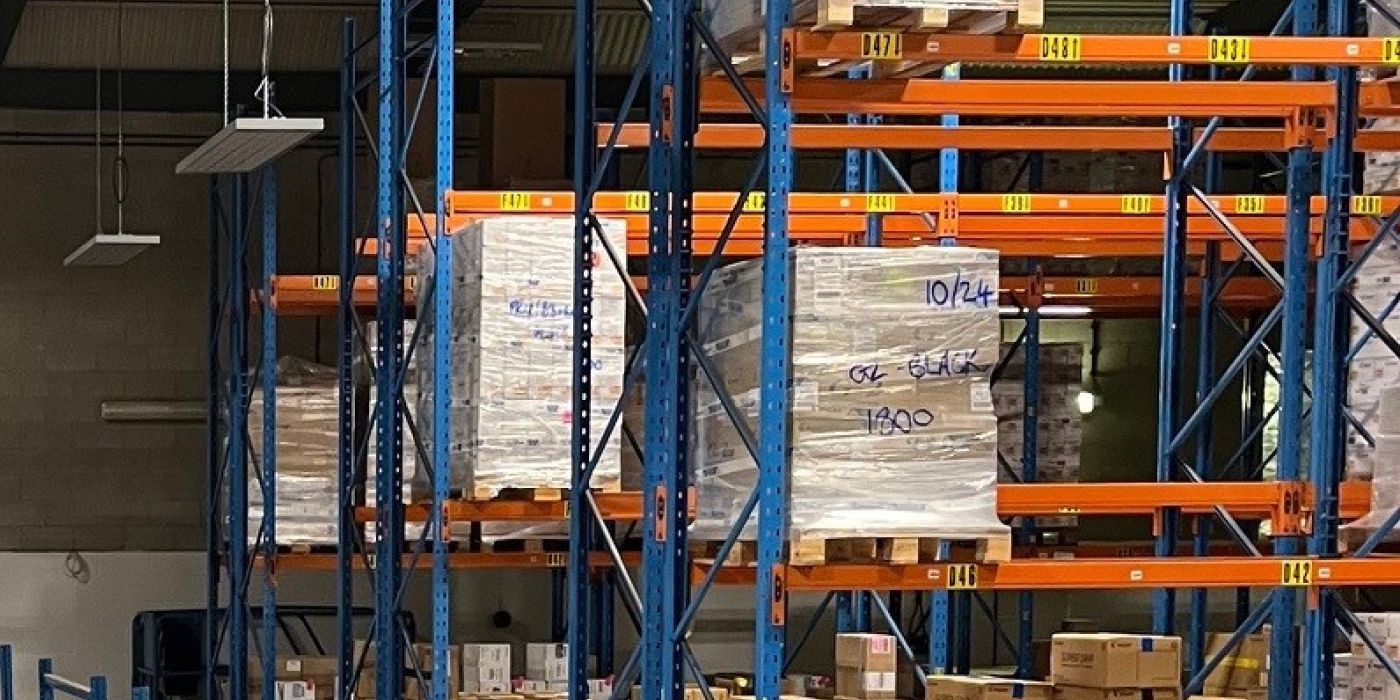
So you heat the building. The problem? You're heating 40,000 cubic metres of air, most of it surrounding empty racking and unoccupied aisles. Your heating system works overtime warming metal shelves, roof voids, and vast expanses of concrete while your pickers are still reaching for gloves. 

There's a better way: heat the people doing the work, not the space around them.  

The Problem with Whole-Building Heating 

Traditional warm-air heating treats your warehouse like a giant box that needs to reach a uniform temperature. Gas-fired unit heaters or destratification fans push warm air upward, where it collects uselessly at ceiling height or escapes through loading bay doors the moment they open. 

The result? Massive energy waste. You're paying to heat cubic volume that serves no operational purpose; the air above racking, the space between aisles, the dead zones near roller shutters. And when doors open during loading, which they do constantly, all that expensive warm air vanishes instantly. 

Leaving the space cold isn't the answer either. Uncomfortable staff work slower, make more errors, and take longer breaks. Picking accuracy drops. Morale suffers. Cold environments create a false economy, you save on heating but lose on productivity and potentially staff retention during your busiest period. 

Why Infrared Changes Everything 

Infrared heating works fundamentally differently. Instead of warming air, it delivers radiant heat directly to people and surfaces, the same way the sun warms your face on a cold day even when the air temperature is low. 

This matters enormously in warehouses because infrared warmth isn't blown away by draughts or lost when doors open. Your pickers feel warm at their pick faces. Packing station staff stay comfortable. Loading bay teams can work with doors open without losing all heat instantly. 

The heat goes where the work happens, and it stays there. 

Zonal Heating: Strategic Warmth Placement 

Here's where the efficiency multiplier kicks in. Your warehouse isn't uniformly occupied, so why heat it that way? 

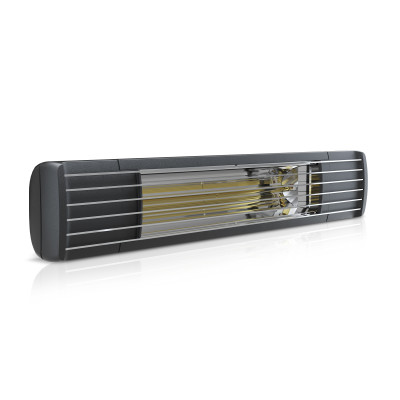
Zonal infrared heating lets you target warmth precisely. The operational logic is simple: concentrate heating resources where the team actually spend time. An infrared panel positioned above a pick line delivers warmth to that specific workstation. Aisles remain unheated. The racking 8 metres overhead receives nothing. This targeted approach typically cuts heating energy consumption by 50-70% compared to whole-building systems, simply by eliminating the waste inherent in trying to warm vast unused volumes. 

Heat these zones: 

Pick lines where staff spend concentrated time

Packing stations with static workers

Loading bays where teams handle goods transfer

Quality control areas

Returns processing zones

Stop heating these areas: 

High racking that nobody works in

Wide aisles used only for forklift transit

Storage zones with minimal foot traffic

Roof voids and wasted cubic volume

Stability When It Matters 

Peak season means loading bay doors stay open longer. Goods in, goods out, constantly. Traditional heating systems fight a losing battle against this. Every door opening is a thermal reset. 

Infrared remains effective throughout. Because it heats people and surfaces rather than air, the warmth your team feels doesn't disappear when a shutter rolls up. The packer at their station stays comfortable. The picker at the active face maintains their work rate. You're not reheating the entire building every fifteen minutes. 

This stability translates directly into consistent working conditions and maintained productivity during the periods when you need it most. 

Solar Pairing: Turn Your Roof Into Revenue 

Most warehouse roofs are ideal for solar PV, large, unshaded, south-facing. When you pair rooftop solar with efficient infrared heating, the economics become compelling. 

Solar generation peaks during daylight hours when many warehouses run their main shifts. Your roof produces power that directly offsets the cost of heating your work zones. Typical installations achieve payback in 6-8 years, after which the energy is essentially free. 

You're converting wasted roof space into an operational asset while simultaneously cutting the running costs of your heating system. The combination addresses both energy efficiency and long-term cost control in a single integrated approach. 

The Operational Case 

This isn't about environmental virtue signalling. It's about operational efficiency. 

Zonal infrared heating delivers: 

Lower energy costs by eliminating waste heating of empty space

Maintained productivity through comfortable working conditions

Stability during high-traffic periods with open doors

Strategic flexibility to heat only the zones you're actively using

Peak season demands performance from your team. They can't deliver that performance if they're cold. But heating the entire building to achieve warmth in specific work zones is paying a premium for waste. 

Heat the people. Ignore the racking. Stop throwing energy into cubic metres of air that serve no purpose. 

Adopt zonal heating and stop wasting energy on empty space. 

Speak with a zonal heating specialist

Related resources

Browse content related to “Stop Heating Empty Racking: Zonal Heating for Busy Warehouse Areas”